Feasibility Study ● Perth Airport, WA
Hugh Edwards Subdivision Feasibility
Coordinated by Matt Burleigh ● In collaboration with Oriol Design Studio
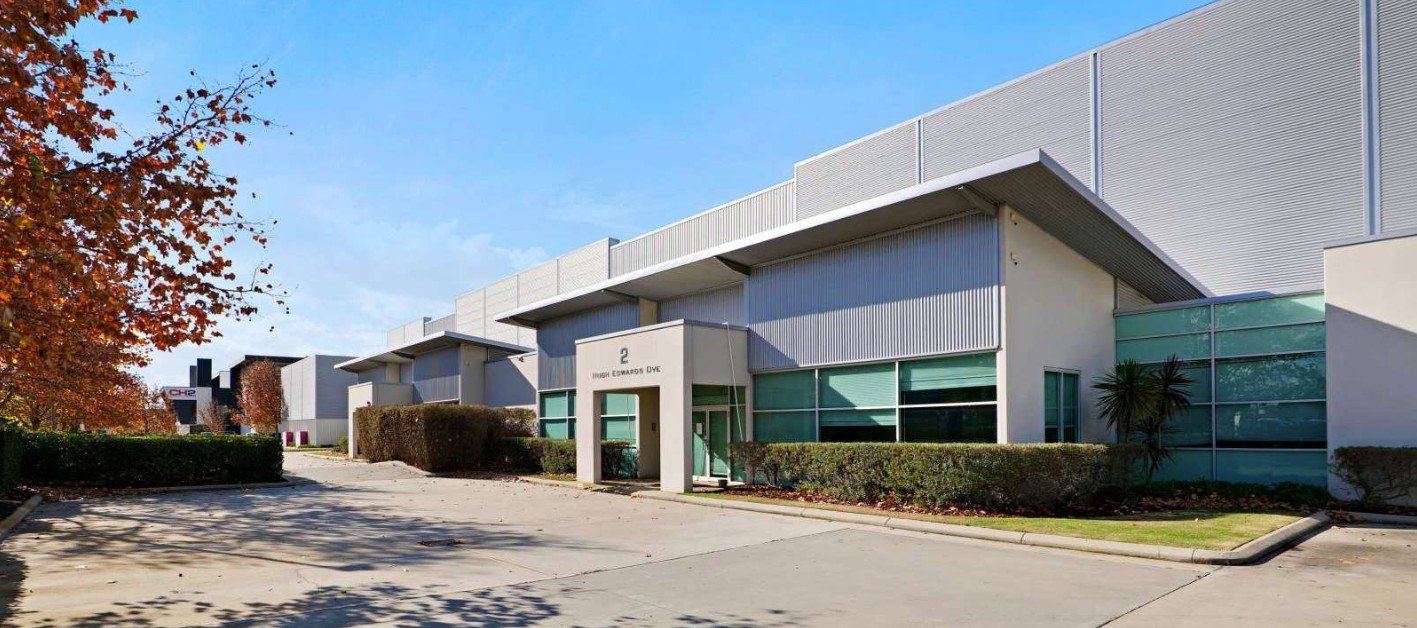
Hugh Edwards Warehouse Subdivision Feasibility is a strategic assessment of an existing large-scale warehouse, undertaken to explore subdivision options that could improve asset flexibility and market appeal. The study was developed to test whether subdivision would enhance long-term value, or whether retaining the warehouse in its current form remained the more viable outcome.
The work involved coordinating a full consultant team in collaboration with Oriol Design Studio, providing Growthpoint with clear, comparative feasibility options to support informed decision-making at an early planning stage.
The study prioritised clarity and strategic value over speculative outcomes, focusing on planning constraints, servicing capacity, and subdivision efficiency rather than design resolution. Options were tested against access, compliance, and market considerations to understand their impact on long-term asset performance.
The result was a structured feasibility framework that allowed the client to clearly compare scenarios and make an informed decision on whether subdivision would meaningfully improve flexibility and marketability, or whether the existing warehouse should be retained.
A disciplined and measured approach informed the feasibility study, grounding each option within the existing warehouse configuration while prioritising flexibility, compliance, and long-term asset performance. Planning controls, servicing requirements, and subdivision efficiencies were carefully tested to avoid unnecessary complexity or overdevelopment.
The analysis focused on clarity and practicality, providing a balanced understanding of how different subdivision scenarios would impact functionality, market appeal, and future adaptability, rather than pursuing change for its own sake.
A clear and structured analytical approach underpinned the feasibility study, with emphasis placed on how the existing warehouse could be configured, subdivided, or retained in response to planning controls, access requirements, and servicing constraints. Each scenario was tested to ensure legibility, compliance, and operational logic, prioritising clarity and robustness over speculative outcomes.
The resulting options established a coherent framework for future decision-making, addressing the practical limitations and opportunities of the site while supporting long-term flexibility and market performance.